Introduction to Italian wines - an overview
Italy offers everything from structured reds with ageing potential and crisp whites to celebratory sparkling wines and sweet specialities, spread across regions with their own grapes, traditions and flavours.
Italian wine is, above all, about diversity. Whether you are looking for a juicy red for a pasta dinner, a fresh white for fish, or a bottle of sparkling wine for the aperitif, there is an Italian wine to suit.
The three best-known wine regions are Tuscany, Piedmont and Veneto. Together, they cover an impressive spectrum of grape varieties, wine types and styles, from light, fruit-driven wines to complex bottles that can rest in the cellar for years.
The reds range from fresh and red-fruited to tannic and concentrated. The whites move from dry and mineral to aromatic and floral. Add to this rosé, sparkling wines such as Prosecco, and sweet wines such as Moscato d'Asti and Vin Santo.
The country’s wine profile
Italy’s wine profile is shaped by three central regions that together show the country’s remarkable stylistic breadth. Tuscany, Piedmont and Veneto differ significantly in climate, landscape and grape varieties, and you can taste those differences in the glass.
Tuscany is defined by rolling hills and maritime influence, producing red wines with freshness and structure. Piedmont lies near the Alps, where a cooler climate shapes complex, tannic reds as well as aromatic sparkling wines. Veneto stretches from Alpine hills to plains and produces wines across an unusually broad range of styles.
Area | Primary wine style | Typical grapes | What you notice in the wine
Area: Tuscany | Primary wine style: Red wine, white wine, rosé and sweet wine | Typical grapes: Sangiovese, Cabernet Sauvignon, Merlot, Syrah, Trebbiano Toscano, Vernaccia, Vermentino | What you notice in the wine: Freshness, structure, clear tannin, red-fruited character and ageing potential
Area: Piedmont | Primary wine style: Red wine, white wine, sparkling wine and sweet wine | Typical grapes: Nebbiolo, Barbera, Dolcetto, Moscato Bianco, Cortese, Arneis | What you notice in the wine: Structured, tannic reds, acidity and fruit, as well as aromatic sparkling and sweet styles
Area: Veneto | Primary wine style: Red wine, white wine, rosé, sparkling wine and sweet wine | Typical grapes: Corvina, Corvinone, Rondinella, Glera, Garganega, Pinot Grigio | What you notice in the wine: Fresh reds, concentrated appassimento wines, Soave whites and Prosecco
Wine styles from Italy - understand the style before the geography
Italian wines fall into five main types: red wine, white wine, rosé, sparkling wine and sweet wine. Each is shaped by regional grapes, climate and tradition, and the differences are often clear from the first sip.
Once you know the key wine types and their typical styles, it becomes much easier to navigate the Italian selection. Here is a guide to each type.
Red wine
Italian red wines range from light, fruit-driven bottles to powerful, tannic wines with many years of ageing potential. Style depends largely on the grape variety and region.
In Tuscany, Sangiovese dominates, producing reds with high acidity, pronounced tannin and a red-berry character of cherry, strawberry and pomegranate. The wines often have a firm, fresh bite that makes them well suited to tomato sauces, grilled meat and hard cheeses.
In Piedmont, Nebbiolo is the great grape. It produces wines with marked tannin and a more complex perfume of dried roses, tar and ripe red fruit. Barbera brings juicy acidity and direct fruit, while Dolcetto gives lighter reds that are ready to drink straight away.
Veneto offers a very different approach. Here you find fresh, easy-drinking reds from the Valpolicella area, and at the other end of the scale, concentrated appassimento wines, where the grapes are dried before pressing. This creates a fuller, more intense mouthfeel with notes of dark berries, raisins and spice.
Barolo
Barolo is one of Italy’s most famous red wines and is made exclusively from Nebbiolo in Piedmont. The wines are known for pronounced tannin, high acidity and a complexity that develops over many years in bottle.
A young Barolo can seem tight and closed, but with time it opens into layers of dried flowers, spices and earthy notes. Barolo Riserva has an even longer minimum ageing requirement and may show a more precise geographical origin through a menzione geografica aggiuntiva on the label.
Barbaresco
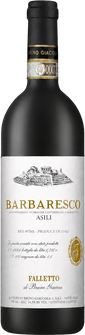
Like Barolo, Barbaresco is based on Nebbiolo and comes from Piedmont. The wines often have a slightly softer and more approachable profile than Barolo, while still showing clear tannin and freshness.
Barbaresco Riserva is aged for longer than the standard style. Here too, a menzione geografica aggiuntiva may indicate a more precise geographical origin, helping you explore differences between vineyards.
Chianti
Chianti is Tuscany’s best-known red wine and is dominated by Sangiovese. The wines typically have lively acidity, light to medium tannin and a red-fruited character with cherry and spice notes.
Chianti Classico DOCG is the historic heart of the Chianti area and is subject to stricter requirements. Gran Selezione is the highest category within Chianti Classico, with even tighter rules on origin and ageing. A unità geografica aggiuntiva may indicate a more precise geographical origin on the label.
Brunello di Montalcino
Brunello di Montalcino is one of Tuscany’s most sought-after red wines. Made from Sangiovese, it is known for its concentration, firm structure and long ageing potential.
Expect deeper fruit than in Chianti, more tannin and a fuller body. Brunello is well suited to game, braised meats and mature cheeses.
Amarone della Valpolicella
Amarone is a concentrated red wine from Veneto, made from Corvina-based blends using the appassimento method, in which the grapes are dried before pressing. The result is a full-bodied wine with high alcohol and intense notes of dark berries, raisins, chocolate and spice.
Amarone is a wine for important occasions and robust food. It pairs well with game stews, slow-roasted meat and blue cheese.
Valpolicella
Classic Valpolicella is a lighter, fresher red wine than Amarone. The wines are based on the same grapes, Corvina, Corvinone and Rondinella, but without drying the fruit.
A fresh Valpolicella has juicy fruit and low tannin, and works well lightly chilled with pizza, antipasti and lighter pasta dishes. Ripasso sits in between, gaining extra body and complexity through contact with the pomace from Amarone or Recioto.
Montepulciano d'Abruzzo
Montepulciano d'Abruzzo is a widely enjoyed Italian red wine. The wines are typically fruit-driven and approachable, with soft tannins and a friendly, rounded mouthfeel.
It is a good everyday red that works well with pasta in meat sauce, grilled vegetables and informal dinners.
Primitivo di Manduria
Primitivo di Manduria is a southern Italian red wine with ripe fruit, a soft body and often a gently sweet-toned character. The wines are typically generous and warm in style.
They pair well with grilled food, spicy sausages and dishes with a touch of sweetness, such as barbecue with a sweet glaze.
White wine
Italian white wines are more varied than many people imagine. From dry and mineral to aromatic and floral, the style depends on the grape variety and region.
In Tuscany, you find white wines based on Vernaccia, Vermentino and Trebbiano Toscano. They are typically dry, with fresh acidity and a light body that makes them well suited to fish, seafood and light salads.
Piedmont offers Cortese and Arneis, which produce dry whites with a clean, understated fruit profile. Moscato Bianco is used for aromatic, sweet styles with floral aromas and low alcohol.
In Veneto, Garganega is the main grape in Soave, producing whites with a soft texture and notes of almond and white flowers. Pinot Grigio and Glera are also important grapes in the region.
Pinot Grigio
Pinot Grigio is one of Italy’s most popular white wines. The wines are typically light, fresh and neutral, with crisp acidity and notes of green apple and citrus.
It is an obvious everyday choice: easy to drink and easy to pair with light dishes such as salads, pasta with pesto or steamed fish.
Soave
Soave is based on Garganega and comes from Veneto. The wines have a softer, rounder profile than Pinot Grigio, with notes of almond, peach and white flowers.
Soave is a good match for risotto, grilled chicken and delicate fish dishes. The Classico designation indicates wine from the historic part of the area.
Gavi
Gavi is a dry white wine from Piedmont. The wines are typically fresh and clean, with taut acidity and a discreet fruit profile.
Gavi pairs well with shellfish, sushi and light spring dishes when you want a wine that does not dominate the glass.
Verdicchio
Verdicchio is an Italian white wine with a distinctive combination of freshness and a gentle bitterness on the finish. The wines can have a surprisingly full texture.
Try it with grilled vegetables, white fish with lemon, or a simple pasta with olive oil and garlic.
Vermentino
Vermentino is grown in Tuscany and produces white wines with aromatic notes of citrus, herbs and white flowers. The wines typically have fresh acidity and a lightly saline undertone.
It is an ideal summer wine for seafood, grilled fish and Mediterranean dishes with olive oil and fresh herbs.
Rosé
Italian rosé is not as widespread as red and white wine, but both Tuscany and Veneto produce rosé styles with regional character.
Chiaretto is a rosé style especially associated with the Lake Garda area in Veneto. Cerasuolo d'Abruzzo is another Italian rosé, typically deeper in colour and more fruit-intensive. Both are good choices for light summer meals, antipasti and salads.
Chiaretto
Chiaretto is a fresh, light rosé that often has a pale colour and a crisp character. It is an excellent aperitif or a fine match for lighter dishes at the table.
Try it with bruschetta, grilled prawns or a simple caprese salad.
Cerasuolo d'Abruzzo
Cerasuolo d'Abruzzo is a rosé with deeper colour and more body than many other Italian rosés. The name refers to its cherry-like hue.
It can handle slightly more substantial food, such as grilled sausage, pasta with light tomato sauces or pizza with fresh vegetables.
Sparkling wine
Italy is one of the world’s most important countries for sparkling wine. The two key styles come from Veneto and Piedmont and differ markedly in flavour and use.
Prosecco from Veneto is made from the Glera grape and has a fresh, fruity, easy-drinking profile with fine bubbles. In Piedmont, you find aromatic sparkling wines such as Moscato d'Asti and Asti, with floral aromas, low alcohol and gentle sweetness.
Prosecco
Prosecco is Italy’s most popular sparkling wine. Made from Glera, it typically shows notes of green apple, pear and white flowers, with crisp, refreshing acidity.
Prosecco is perfect as an aperitif, for brunch or as the base for an Aperol Spritz. It also works well with sushi, light spring salads and seafood.
Franciacorta
Franciacorta is Italy’s expression of the traditional method also used in Champagne. The wines typically have finer, more complex bubbles than Prosecco.
Franciacorta is a good choice if you want an Italian sparkling wine with more depth and structure for festive occasions.
Asti
Asti is an aromatic sparkling wine from Piedmont with gentle sweetness and floral aromas. It is made from Moscato Bianco and typically has low alcohol.
Asti pairs well with fruit-based desserts, light cakes or as a festive finish to a meal.
Moscato d'Asti
Moscato d'Asti is similar to Asti, but with fewer bubbles and an even lighter style. The alcohol is typically very low, and the sweetness is elegant and balanced by freshness.
It is ideal with fresh fruit, panna cotta or simply as a light, aromatic glass on a warm summer evening.
Lambrusco
Lambrusco is a sparkling red wine from Emilia-Romagna. It can range from dry to lightly sweet and typically has a juicy, fruity character with lively bubbles.
Lambrusco is surprisingly good with pizza, charcuterie and richer dishes, where the bubbles and acidity cut through the food.
Trentodoc
Trentodoc is a sparkling wine from Trentino in northern Italy, made by the traditional method. The wines typically have a fine perlage and a fresh, clean character.
Trentodoc is a good alternative to Franciacorta if you want to explore Italian sparkling wines with depth and elegance.
Alta Langa
Alta Langa is a sparkling wine from Piedmont, also made by the traditional method. The wines are produced at higher altitude, which gives them a fresh, taut profile.
Alta Langa is still relatively little known, but worth trying if you are curious about Italian sparkling wine beyond Prosecco.
Sweet wine
Italy has a long tradition of sweet wines, and the styles vary considerably from region to region. What they have in common is that the sweetness is typically balanced by acidity, so the wines rarely feel heavy or cloying.
In Tuscany, you find traditional sweet wines such as Vin Santo, made from dried grapes. In Piedmont, Moscato Bianco is central to aromatic, sweet styles with floral aromas. In Veneto, Corvina-based blends are used for Recioto, a sweet red wine with concentrated fruit.
Passito
Passito is a general term for wines made from dried grapes. The drying process concentrates sugar and flavour, resulting in wines with a rich, intense character.
Passito wines pair well with desserts, blue cheese, or as a way to finish a meal in place of dessert.
Vin Santo
Vin Santo is a Tuscan speciality in which the grapes are dried for several months before pressing. The wine typically shows notes of honey, dried fruit, nuts and caramel.
Classically served with cantuccini biscuits for dipping, it also works well with foie gras, blue cheese or mature fruit tarts.
Recioto
Recioto is a sweet red wine from Veneto, made from Corvina-based blends using the appassimento method. The wine has deep, concentrated fruit with notes of dark berries and spice.
Try it with chocolate desserts or as a contrast to a powerful blue cheese.
Marsala Dolce
Marsala Dolce is a sweet fortified wine from Sicily. It has a rich character with notes of caramel, dried fruit and spice.
Marsala Dolce is often used in cooking, for example in zabaglione, but can also be enjoyed as a dessert wine with nut cakes and hard cheeses.
Moscato d'Asti
Moscato d'Asti also appears as a sweet wine, as it has clear sweetness balanced by freshness. With its low alcohol and floral aroma, it is one of the most approachable sweet wines.
It is perfect with fresh fruit, light desserts or simply as an aromatic glass on its own.
Wine type | Typical regions | Typical grapes | Style and mouthfeel
Wine type: Red wine | Typical regions: Tuscany, Piedmont, Veneto | Typical grapes: Sangiovese, Nebbiolo, Barbera, Dolcetto, Corvina, Corvinone, Rondinella, Cabernet Sauvignon, Merlot, Syrah | Style and mouthfeel: From fresh and red-fruited to tannic, structured and concentrated
Wine type: White wine | Typical regions: Tuscany, Piedmont, Veneto | Typical grapes: Trebbiano Toscano, Vernaccia, Vermentino, Cortese, Arneis, Garganega, Pinot Grigio, Glera | Style and mouthfeel: Dry, aromatic and regionally distinctive white wine styles
Wine type: Rosé | Typical regions: Tuscany, Veneto | Typical grapes: Not specified | Style and mouthfeel: From fresh and light to more fruit-intensive and full-bodied
Wine type: Sparkling wine | Typical regions: Piedmont, Veneto | Typical grapes: Glera, Moscato Bianco | Style and mouthfeel: Aromatic sparkling wines from Piedmont and fresh Prosecco from Veneto
Wine type: Sweet wine | Typical regions: Tuscany, Piedmont, Veneto | Typical grapes: Malvasia Bianca Lunga, Trebbiano Toscano, Moscato Bianco, Corvina-based blends | Style and mouthfeel: Traditional sweet wines, sweet white wine styles and Recioto
Classification, legislation and origin
Italy’s classification system helps you understand what you are holding in your hand. The system ranges from DOCG, the strictest category, to Vino, which does not indicate a specific origin.
The higher the level, the more rules apply to grape varieties, production and ageing. That does not automatically mean the wine tastes better, but it does tell you that it follows tighter requirements for origin and production.
DOCG wines are governed by detailed rules and undergo both analytical and sensory checks. DOC wines also have protected origin, but with slightly fewer requirements. IGT gives producers greater freedom in grape choice and style, while Vino is the broadest category and carries no geographical protection.
Level | Name | What does it mean for you?
Level: 1 | Name: DOCG | What does it mean for you?: The strictest rules for origin, grapes, production and ageing, with checks and a guarantee seal
Level: 2 | Name: DOC | What does it mean for you?: Protected origin with defined rules for grapes and production
Level: 3 | Name: IGT | What does it mean for you?: Regional origin with greater freedom in grape choice and style
Level: 4 | Name: Vino | What does it mean for you?: No protected geographical origin
Wine regions in Italy
The three most important wine regions in the Italian selection are Tuscany, Piedmont and Veneto. Each region has its own profile, grapes and traditions, which shape the flavour and style of its wines.
Once you understand the basic character of each region, choosing the right bottle becomes much easier. Here is a guide to each region.
Tuscany
Tuscany lies in central Italy by the Tyrrhenian Sea and is probably Italy’s best-known wine region. It is especially famous for its Sangiovese-based reds with freshness, structure and ageing potential.
Typical grapes in Tuscany
Sangiovese is the dominant black grape and produces reds with high acidity, clear tannin and a red-fruited character of cherry and pomegranate. International grapes such as Cabernet Sauvignon, Merlot and Syrah are used especially in blends.
Among the white grapes are Vernaccia, Vermentino, Trebbiano Toscano and Malvasia Bianca Lunga, used for dry whites and traditional sweet wines.
Style and flavour from Tuscany
The rolling landscape and maritime influence give the reds a firm, fresh bite. Calcareous and schist-influenced soils support the structure and give the wines the backbone to age.
How you notice the difference on the palate
Tuscan reds typically have lively acidity, which makes them well suited to food with tomato, olive oil and grilled ingredients. The tannin is clear but rarely aggressive; instead, it gives the fruit a firm frame.
Coastal areas can produce riper, fuller wines, while the classic hill zones retain a tighter, fresher profile.
Classifications in Tuscany
Tuscany has several designations that can help you choose wine. Gran Selezione is the strictest category within Chianti Classico DOCG. Riserva indicates longer minimum ageing. Unità geografica aggiuntiva may show a more precise geographical origin.
Classification | What does it mean for you?
Classification: Gran Selezione | What does it mean for you?: Stricter requirements than Riserva within Chianti Classico DOCG
Classification: Riserva | What does it mean for you?: Longer minimum ageing than the standard style
Classification: Unità geografica aggiuntiva | What does it mean for you?: More precise geographical origin on the label
Piedmont
Piedmont lies in north-western Italy by the Alps and is home to some of the country’s most sought-after red wines. The region is also important for aromatic sparkling and sweet wines.
Typical grapes in Piedmont
Nebbiolo is the region’s finest black grape, producing structured reds with marked tannin and complex aromas. Barbera brings juicy acidity and direct fruit, while Dolcetto gives lighter reds that are ready to drink straight away.
Moscato Bianco, Cortese and Arneis cover the key white styles, from aromatic and sweet to dry and clean.
Style and flavour from Piedmont
The continental climate, with cool winters and warm summers, gives the grapes time to ripen slowly. Marl and limestone soils in Langhe, Roero and Monferrato support the complex red wines for which the region is famous.
How you notice the difference on the palate
Nebbiolo gives a structured, tannic mouthfeel that can seem tight in young wines, but opens with time. Barbera is more immediate, with juicy fruit and a freshness that makes it easy to drink with everyday food.
Moscato Bianco brings floral aromas and low alcohol to the aromatic styles. Cortese and Arneis are more restrained, with a clean, discreet fruit profile.
Classifications in Piedmont
Piedmont has several designations that can guide your choice. Menzione geografica aggiuntiva indicates precise geographical origin within Barolo and Barbaresco. Riserva indicates longer ageing. Superiore points to stricter requirements than the basic wine.
Classification | What does it mean for you?
Classification: Menzione geografica aggiuntiva | What does it mean for you?: More precise origin within Barolo and Barbaresco
Classification: Riserva | What does it mean for you?: Longer minimum ageing than the standard style
Classification: Superiore | What does it mean for you?: Stricter requirements than the basic wine in selected appellations
Veneto
Veneto lies in north-eastern Italy between the Alps, Lake Garda, the Po Valley and the Adriatic Sea. The region covers an unusually wide stylistic range, from light reds and fresh whites to concentrated appassimento wines and sparkling Prosecco.
Typical grapes in Veneto
Corvina, Corvinone and Rondinella form the basis for Valpolicella, Amarone and Recioto. Glera is central to Prosecco, while Garganega is the main grape in Soave. Pinot Grigio is also an important white grape in the region.
Merlot and Raboso are among the other black grapes, while Trebbiano di Soave and Chardonnay supplement the whites.
Style and flavour from Veneto
The region’s landscape stretches from Alpine foothills and volcanic hills to broad plains. This variation creates marked differences in wine style.
How you notice the difference on the palate
A fresh Valpolicella has juicy, light fruit and low tannin, making it perfect for everyday food. Appassimento wines such as Amarone have a very different body: full, concentrated and with a warm finish.
Soave produces whites with soft texture and notes of almond and white flowers. Prosecco is fresh and fruity, with crisp bubbles that work as an aperitif or with lighter dishes.
Classifications in Veneto
Veneto has designations that help you distinguish between styles. Classico indicates the historic part of an area. Superiore points to stricter requirements. Ripasso is a regulated category in which the wine gains extra body through contact with the pomace from Amarone or Recioto.
Classification | What does it mean for you?
Classification: Classico | What does it mean for you?: Wine from the historic part of the appellation area
Classification: Superiore | What does it mean for you?: Stricter requirements than the basic wine
Classification: Ripasso | What does it mean for you?: Extra body through contact with the pomace from Amarone or Recioto
Region | Location | Main wine types | Key grapes | Style
Region: Tuscany | Location: Central Italy by the Tyrrhenian Sea | Main wine types: Red wine, white wine, rosé, sweet wine | Key grapes: Sangiovese, Cabernet Sauvignon, Merlot, Vernaccia, Vermentino | Style: Structure, freshness and ageing potential
Region: Piedmont