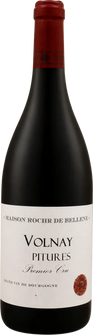
Roche de Bellene - Burgundy from Regional Wines to Grand Cru
Maison Roche de Bellene brings together a broad cross-section of Burgundy under one roof — from approachable everyday wines to bottles sourced from the most sought-after vineyards in the Côte de Nuits and Côte de Beaune.
The house was founded in 2008 by Nicolas Potel and is based in Beaune, the heart of Burgundy. As a négociant, Roche de Bellene selects grapes and wines from partner growers across the region, vinifying them with a clear focus on letting the character of each site speak for itself.
The result is a portfolio that ranges from crisp white Burgundy and light-bodied reds to deep, concentrated wines from named premier cru and grand cru vineyards. Regardless of level, the house style remains consistently elegant, fresh and gently extracted.
The Potel Family's Burgundian Roots
Nicolas Potel grew up immersed in wine. His father, Gérard Potel, was winemaker at the renowned Domaine de la Pousse d'Or in Volnay and helped shape the elegant, terroir-driven style for which Burgundy is celebrated.
When Nicolas established Maison Roche de Bellene, he drew on his family's deep knowledge of Burgundy's vineyards and grape varieties. From the outset, the emphasis was on old vines, gentle winemaking and wines that reflect their origins rather than heavy oak influence.
Today the business is carried forward by the Potel family through Alphonse and Antonia Potel, who have taken on the leadership roles within Groupe Bellene and its associated entities.
What Defines the Wines of Roche de Bellene?
The house style at Roche de Bellene is built on freshness, purity and deliberate restraint in the cellar. The wines are meant to taste of grape and place — not of oak and technique.
Moderate extraction means the reds rarely come across as heavy or hard. Instead, they display a lighter, juicier character where the fruit is clearly defined and the tannins feel fine-grained rather than firm.
The whites follow the same philosophy, offering clean fruit, lively acidity and a texture that ranges from lean and crisp in the regional wines to fuller and creamier in the finest parcels.
Pinot Noir with Elegance and Succulence
Pinot Noir is the cornerstone of the range and typically presents notes of red and dark cherry, touches of strawberry and a spicy undertone. The acidity is bright, lending the wines a vibrancy that makes them natural partners for food.
In the simpler wines, the fruit is immediate and easy to enjoy. The premier cru and grand cru bottlings bring greater depth, firmer structure and a longer finish, yet without ever becoming heavy-handed.
Chardonnay with Purity and Precision
Chardonnay from Roche de Bellene typically shows a clear fruit profile of citrus, green apple and hints of white blossom. The acidity provides a fresh, driving backbone.
In the more ambitious wines, subtle nutty notes and a softer texture from barrel ageing may emerge, but across the board, fruit and site always remain at the centre.
Aligoté, Gamay and Crémant
Beyond Pinot Noir and Chardonnay, the portfolio also includes wines made from Aligoté and Gamay Noir, as well as Crémant de Bourgogne. Aligoté yields crisp, tangy whites that are ideal as an aperitif or alongside shellfish.
The Gamay-based wines have a juicy, fruit-forward style with a light body and immediate charm. Crémant de Bourgogne offers bubbles with finesse and freshness — a compelling alternative to pricier sparkling wines.
The Vineyards Behind Roche de Bellene
One of the great strengths of Roche de Bellene is the breadth of its portfolio. As a négociant, the house has access to grapes and wines from a wide array of Burgundy's most renowned vineyards.
At grand cru level, the range includes names such as Chambertin, Bonnes-Mares, Richebourg, Clos de Vougeot, Echézeaux and Le Montrachet — vineyards that rank among Burgundy's very finest, producing wines of remarkable depth and ageing potential.
The premier cru portfolio is equally impressive, with parcels such as Les Amoureuses in Chambolle-Musigny, Aux Malconsorts in Vosne-Romanée, Lavaut Saint-Jacques in Gevrey-Chambertin and Les Marconnets in Beaune.
Soils vary from limestone and marl to clay and granite. Limestone tends to lend the wines a tighter, more mineral feel, while clay typically contributes body and roundness. This goes a long way towards explaining why wines from different sites can taste so distinct, even when the grape variety is the same.
How to Choose a Wine from Roche de Bellene
For Everyday Meals and Casual Dining
The regional Bourgogne wines and Coteaux Bourguignons are excellent starting points. They tend to be light, fruity and ready to drink straight away. Try them with roast chicken, mushroom pasta or a simple cheese course.
Crémant de Bourgogne is a natural choice as an aperitif or with light starters when you want bubbles without the Champagne price tag.
For Special Occasions and Richer Dishes
Village-level and premier cru wines offer greater depth and structure. They pair beautifully with duck, veal, game stews, mushroom sauces or mature cheeses.
The grand cru wines are reserved for truly memorable occasions. They deliver concentration, complexity and cellaring potential, and can stand up to dishes such as beef tenderloin, pigeon breast or truffle-based preparations.
Red or White?
If you prefer red wine with elegance and juicy fruit rather than sheer power, Pinot Noir from Roche de Bellene is a reliable choice. For white wine with freshness and clean fruit, the Chardonnay bottlings are a natural match for fish, shellfish and light sauces.
Aligoté is the easy, uncomplicated pick for a warm day or as an aperitif. Gamay delivers a juicy, fruit-driven red that can be served lightly chilled alongside charcuterie or light summer fare.